Timeouts, DJs, and 90-Minute Matches: Is American Scheduling Changing Cricket Forever?
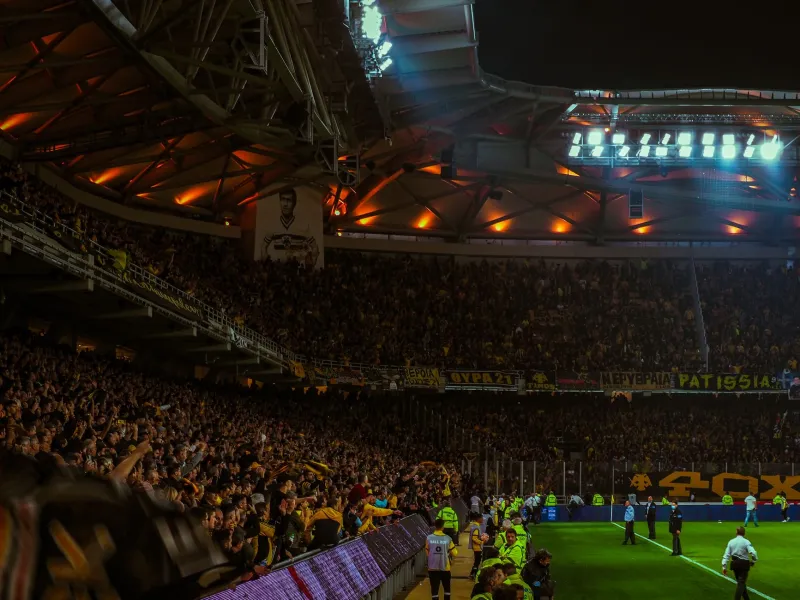
Let's be honest about what's happening: cricket came to America and immediately started dressing like us.
The traditional formats of this sport can run five days and still end in a draw — a concept that would make an American TV executive faint on the spot. So when the sport landed stateside, it got the full treatment: compressed schedules, built-in commercial breaks, player mics, timeout entertainment, and matches engineered to fit neatly inside a two-hour broadcast window alongside NFL red zones and NBA tip-offs.
The question worth asking isn't whether this is happening. It's whether we should like it.
The Business Logic Is Undeniable
Start with the case for the defense. American sports media runs on predictable windows. Advertisers buy slots, networks program around them, and fans build evenings around them. A format that can't guarantee when it ends is, commercially speaking, a hard sell — no matter how beautiful the game.
So leagues shortened everything. T20 cricket, the three-hour format that already revolutionized the sport two decades ago, got trimmed further in some American experiments: strategic timeouts that double as ad breaks, tighter over rates, and presentation packages borrowed directly from the NBA and MLS playbook. It's the same logic that gave us the shot clock, the pitch clock, and the two-minute drill. Sports shorten because attention doesn't.
And honestly? There's precedent. Baseball sped itself up and younger audiences followed. Soccer grew in the U.S. partly because it fit a tidy two-hour window. Cricket fitting itself into that mold isn't selling out — it's speaking the local language.
But Something Is Getting Lost
Here's where I pump the brakes.
Cricket's soul lives in its rhythm — the long duel between batter and bowler, the way pressure compounds over hours, the fact that a team can lose for three days and win on the fourth. Strip out too much of that waiting, and you don't get a faster cricket; you get a different sport wearing cricket's uniform.
The strategic timeout is the clearest example. Officially, it lets teams regroup. Unofficially, it's a broadcast inventory product. And it interrupts exactly the kind of momentum that makes cricket's endings so dramatic. Imagine stopping an NFL two-minute drill for a sponsored dance cam. That's occasionally what this feels like.
The mic'd-up player moments are a closer call. Hearing an athlete think out loud mid-competition is genuinely fun, and it humanizes stars in a way traditional cricket coverage never did. But every minute spent on entertainment between balls is a minute reinforcing the idea that the game itself isn't enough — and that's a dangerous message for a sport trying to earn permanent residency.
The Verdict: Adaptation, With Guardrails
My take: the Americanization of cricket is mostly good, as long as the changes stay at the edges.
Shorter formats? Good. T20 was already the sport's best export, and tighter presentation makes it more accessible to the exact audience leagues are chasing. Better broadcast production, tighter windows, storytelling built for new fans — all good.
But the sport's guardians need to hold one line: the game on the field can't be redesigned around commercials. The moment match rules start bending to ad inventory rather than competitive integrity, cricket becomes a variety show with a ball in it.
The fans who fell in love with this sport did so because of its strange, sprawling, wonderful texture. New American fans will fall in love the same way — but they have to get in the door first. If a 90-minute package with a DJ and a timeout is the doorway, fine. Just make sure that what's behind it is still, unmistakably, cricket.
The sport can wear our clothes. It just shouldn't forget its own name.