Follow the Cash: Who's Really Making Money Off America's Cricket Boom?
When a new sport shows up in the American market, the first question most fans ask is whether it'll stick. The savvier question — the one investors, broadcasters, and city councils are asking — is: who gets paid?
Cricket's arrival in the U.S. hasn't been organic growth in the traditional sense. It's been a deliberate, capital-heavy build, and following the money reveals a lot about whether this boom has staying power.
The Investors Writing the Checks
Major League Cricket didn't launch on vibes. It launched on venture capital, private equity, and — notably — deep pockets from the Indian diaspora and Indian business interests who see American cricket as a long-term land grab.
Franchise groups in Dallas, Los Angeles, New York, and elsewhere have collectively poured hundreds of millions into the league. Some of that money comes from tech executives and venture firms; some traces back to established cricket franchises and media conglomerates abroad. The bet being made is simple: the U.S. has the largest South Asian diaspora on Earth, second-generation fans who grew up with the sport, and a market where cricket's ad inventory is essentially untouched.
That's a rare combination. American sports are saturated — the NFL, NBA, and MLB sell out their commercial real estate decades in advance. Cricket arrives with blank space, and blank space is what sponsors pay premiums for.
Media Rights: The Real Prize
Television and streaming deals are where sports leagues actually mint money, and cricket's U.S. media story is a tale of two audiences.
On one side, Willows TV and other cricket-focused broadcasters carry matches to die-hard fans. On the other, mainstream deals — including streaming carriage on platforms like Amazon's Prime Video and Willow's distribution partnerships — are designed to introduce the sport to viewers who've never watched a full over.
The numbers are modest by NFL standards but significant for a startup league. Media rights revenue gives MLC operational runway, and every renewal negotiation raises the floor. If American viewership grows even incrementally, the next rights cycle could look very different.
Stadiums, Real Estate, and the Long Game
Here's where it gets interesting for the business-minded: cricket in America is partly a real estate play.
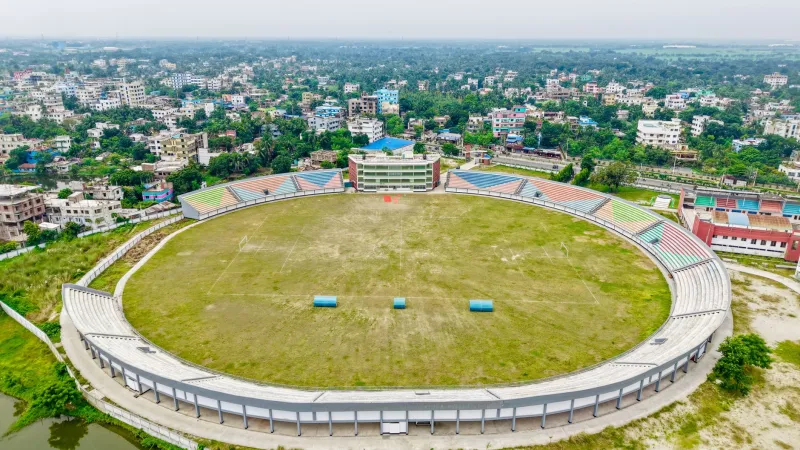
Grand Prairie Stadium outside Dallas — a converted baseball park — was just the start. Purpose-built cricket venues, like the facility in Nassau County, New York, represent genuine infrastructure investment. Cities and counties have been willing partners because they see event traffic, hotel stays, and tax revenue the same way they did during soccer's MLS buildout.
Owning a venue also means owning the revenue: naming rights, concessions, concerts in the offseason, and eventually the option to host international matches. Franchise owners aren't just buying a team; they're buying a piece of a future entertainment ecosystem.
The Shadow Economy: Where the Line Gets Blurry
Now for the uncomfortable part. Any new sport market attracts a secondary industry — and cricket's global footprint makes it a magnet for offshore betting operations.
Legitimate sportsbooks in states where wagering is legal offer regulated cricket markets, with licensing oversight, tax payments, and consumer protections. That's the above-board economy.
Then there's the offshore layer: unlicensed platforms — often with South Asian branding — that market to American users without state approval. These operations pay no U.S. taxes, offer no recourse when disputes arise, and in some cases have been flagged by federal authorities. The Mahadev betting network, for instance, became the subject of international enforcement action, a reminder that where regulation is thin, opportunists fill the gap.
For the league and its investors, this matters commercially. Clean sponsorship relationships and transparent media partnerships are what make MLC marketable to mainstream American brands. An association with gray-market gambling would be toxic to that strategy — which is why the legitimate side of the business has every incentive to keep distance.
So Who Actually Profits?
Right now, mostly the investors and infrastructure players. Media partners get cheap rights with upside. Cities get event revenue. Players get salaries and a professional platform that didn't exist five years ago.
Whether fans profit — in the sense of a durable, well-run league — depends on whether the money keeps flowing through legitimate channels. Cricket's American experiment is a bet, in the financial sense. The smart money says the house that builds the infrastructure wins. The question is whether everyone else at the table plays by the rules.