Sold-Out Stadiums and Hometown Heroes: Why Season Two of America's Cricket League Was the Real Turning Point
If you're an American sports fan who keeps hearing about cricket and wondering whether it's actually a thing here now — this one's for you. The second season of Major League Cricket (MLC) was the moment the sport stopped being a promise and started being a product. Here are the seven reasons why, translated into terms you already understand.
1. The Stadiums Actually Filled Up
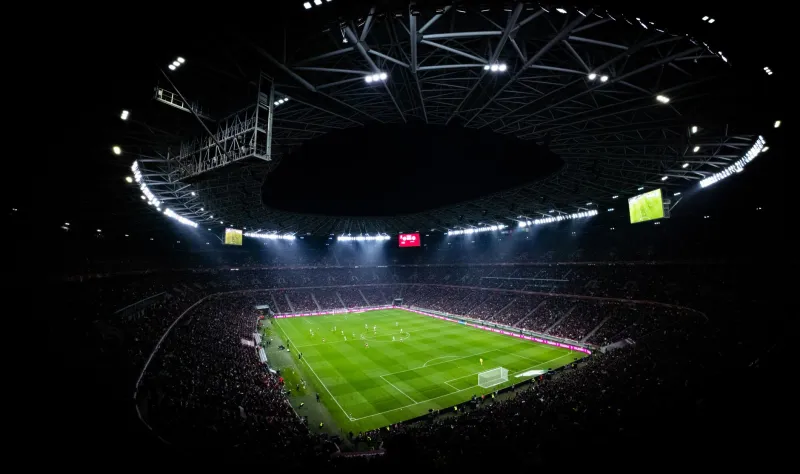
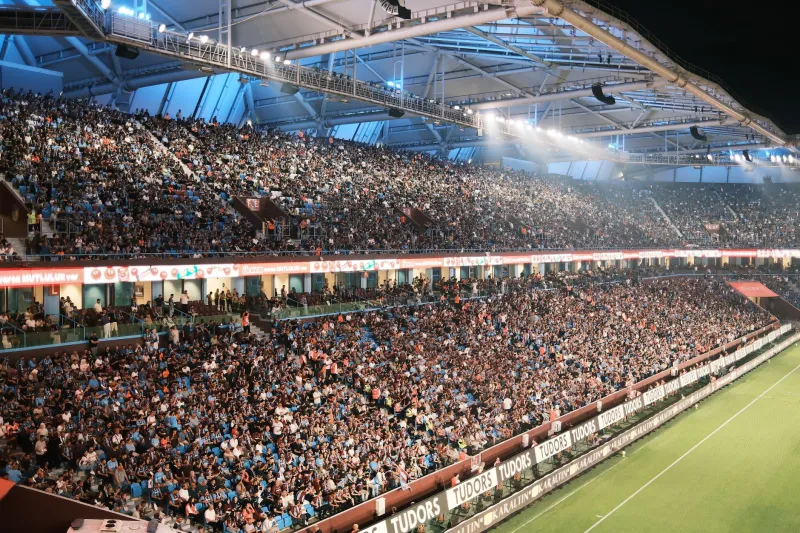
First seasons of new American sports leagues tend to have the energy of a soft opening. Season two was different. Venues across Texas and California — including grounds built specifically for cricket — drew genuine, vocal crowds, with several matches selling out in advance.
For a beginner, here's why that matters: a sport needs atmosphere before it needs anything else. The tailgating, the chants, the families — it looked less like an exhibition and more like game day in any American sport.
2. The TV Numbers Crossed the Line That Matters
Ratings for season two didn't just grow; they grew on mainstream American platforms, in prime-accessible windows, with broadcast-quality production. In the sports media business, there's a threshold where a league goes from 'novelty content' to 'scheduling priority.' Season two's viewership pushed cricket across it.
If you're new to watching: matches in the T20 format last about three hours — comparable to an MLB game minus the dead time. You can genuinely watch a full match on a weeknight.
3. Star Power Showed Up
Big-name international players — the kind who headline matches watched by hundreds of millions globally — signed on to play in American venues. That's the equivalent of a Premier League superstar spending his summer in MLS: it validates the league overnight and gives new fans a reason to tune in.
Watching a world-class bowler or a six-hitting specialist in person is the fastest way to understand why this sport hooks billions of people.
4. Hometown Heroes Emerged
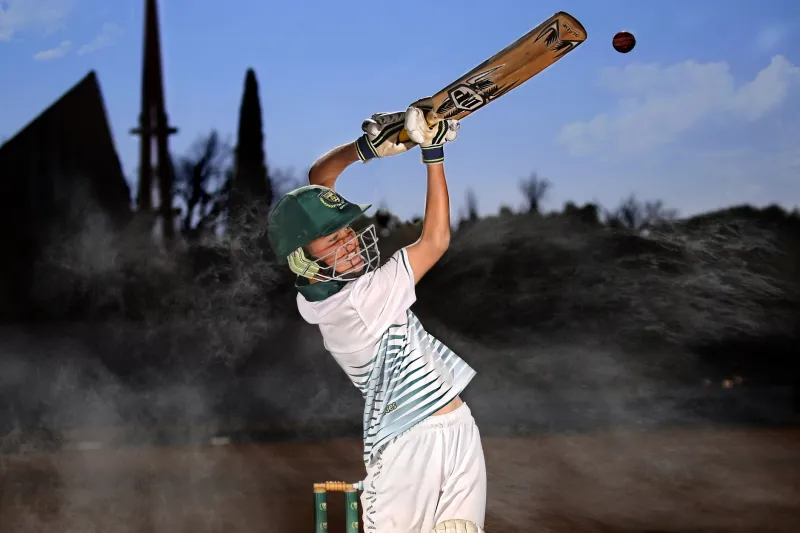
Here's the sleeper story: American-born and American-raised players got real roles, not token minutes. Young US cricketers delivered match-winning performances in front of home crowds, giving casual fans someone local to follow.
Every successful American sports league eventually runs on homegrown stars. Season two was the first time MLC's audience could see that future taking shape in real time.
5. The Rules Finally Got Explained Properly
Broadcasters learned from season one's mistakes. Instead of assuming knowledge, coverage leaned into accessible explanations — why a team might defend a low total, what a 'powerplay' is (think: the first few innings when fielding restrictions make scoring easier), and why the final overs are the sport's version of a two-minute drill.
Quick beginner cheat sheet:
- T20 format: each team gets 120 legal deliveries (balls) to score as many runs as possible
- Wickets: ten per team; lose them all and your innings ends early
- Run rate: runs per over — the scoreboard math that tells you who's winning
That's genuinely 80% of what you need to enjoy a match.
6. The Fanbase Got Younger and More Local
The season two crowds weren't only diaspora fans (though their passion built this league and deserves credit). Universities, youth leagues, and community clubs fed a visibly younger, more American-born audience into stadiums.
That demographic shift is the single best predictor of whether a league lasts. Kids who played cricket in gym class or a local league this year are season-ticket holders in ten.
7. The Business Infrastructure Got Real
Behind the scenes, season two brought sponsorship categories that new US leagues covet — tech, telecom, financial services — plus better streaming availability and merchandise you could actually buy without importing it.
And with growing fan engagement comes the broader ecosystem: fantasy leagues, data analytics coverage, and yes, a rising interest in cricket odds and match predictions among American audiences who follow every other sport's betting markets. Where fan attention goes, the commercial machinery follows.
So Does Cricket Have Staying Power?
Honest answer: season two didn't guarantee anything. American sports history is littered with leagues that had a hot second year. But MLC checked the boxes that surviving leagues check — real crowds, real ratings, real stars, and a real player development path.
If you've been meaning to give cricket a shot, the barrier to entry has never been lower. Find a match, skim the cheat sheet above, and watch the last five overs of a close game. That's the hook. Everything else — the stats, the rivalries, the debates — will follow on its own.