Marathon, Not a Sprint: How to Actually Bet a Five-Day Test Match Without Losing Your Mind (or Your Sleep)

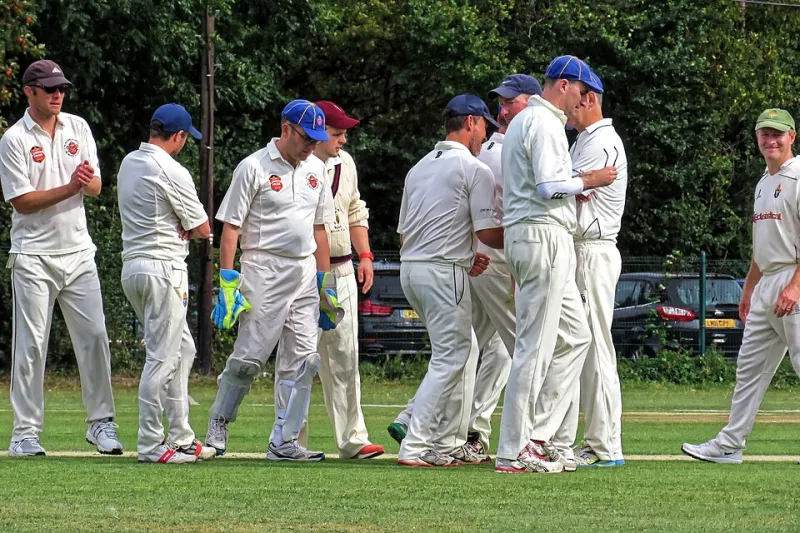
Photo: Gareth Williams from Redhill, England, CC BY 2.0, via Wikimedia Commons
Picture this: you place a bet on Tuesday afternoon, and the outcome isn't decided until Saturday. Welcome to Test cricket, the only betting format on earth that makes a four-game NBA series feel like a quick hit.
For American bettors raised on three-hour broadcasts and same-night settles, a Test match is genuinely alien. Two teams, five scheduled days, six hours of play per day, and odds that drift like a barge instead of a speedboat. Yet a growing crew of US-based cricket fans swear the slow burn is the most rewarding wagering experience they've found. Here's how to survive it — and maybe even enjoy it.
First, Wrap Your Head Around the Format
A Test match is the oldest and longest form of cricket. Each side gets two innings (turns at bat), and the game can run up to five days. If the clock runs out with no result? It's a draw, and yes, draws are a real betting outcome — something that blows the minds of NFL and MLB bettors alike.
Unlike a baseball game, play isn't continuous. There are three sessions per day, a lunch break, and a tea break (seriously, tea). That structure matters enormously for betting, because odds reset and shift session by session.
The Time Zone Problem, Solved
Most Tests happen in England, India, Australia, South Africa, or the Caribbean. For a US audience, that means:
- England Tests: Start around 6 a.m. ET — a reasonable early-morning watch.
- India Tests: Begin late at night, roughly 9:30–10 p.m. ET, running into the early morning.
- Australia Tests: The brutal one. Play starts around 3–4 p.m. local, which lands in the middle of the night on the East Coast.
The practical advice: don't try to watch all of it. Pick your window. East Coast bettors can treat England Tests like a morning coffee ritual. Australia Tests are best sampled in chunks — catch the final session before work or the first hour after midnight. Think of it like following a European soccer season, not a Sunday NFL slate.
Betting the Sessions, Not the Whole Match
Here's where Test betting gets interesting. Because the match unfolds in discrete sessions, sharp bettors break it into units:
- Session runs: Will the batting side score more than X runs in this two-hour block?
- Wickets in session: Over/under on wickets falling before lunch or tea.
- Innings totals: A rolling target that updates as the innings progresses.
The rhythm looks a lot like quarter-by-quarter NBA betting, except each "quarter" lasts two hours and momentum can swing on a single delivery. A new batter walking in after a wicket, a change in pitch behavior after lunch, an aging ball starting to swing — each of these nudges the odds in ways you can learn to anticipate.
How Odds Drift Over Five Days
Unlike a moneyline that locks at kickoff, Test match odds are living organisms. A team priced at -150 on Day 1 morning might be +400 by lunch if top-order wickets tumble. Then a gritty partnership rebuilds, and suddenly the price crawls back.
Key drift triggers to watch:
- The toss — the captain who wins it decides who bats first, and pitch conditions can make that a massive edge.
- Weather forecasts — rain eats playing time, and lost time dramatically raises the chance of a draw. If the sky looks ugly, draw odds shorten fast.
- The pitch aging — cricket surfaces change character over days, often turning in favor of spin bowlers by Days 4 and 5.
- The follow-on and declarations — captaincy decisions that only make sense if you've watched enough to understand the scoreboard math.
The smart play for beginners: bet small early, watch how lines move, and save your stake for Days 3 and 4 when the market has more information — and more mispricings — to exploit.
The Draw Is a Feature, Not a Bug
American bettors hate ties. But in Test cricket, the draw is a legitimate strategic outcome, and betting it can be a value goldmine. If weather threatens three of five days, casual money piles on the team favored to win while the draw price sits there, fat with value. Learning when a match is drifting toward a draw is one of the most profitable skills in the format.
Protecting Your Bankroll Across a Week
Five days is a long time to have money riding. A few ground rules:
- Set a match budget, not a daily one. Decide your total exposure before the toss and don't chase across days.
- Don't bet every session. Boredom betting is the Test-match trap. If nothing's happening — and sometimes, gloriously, nothing is — sit it out.
- Cash out thinking matters. Live odds move so gradually that you can often exit a position when a match turns against you, the way you'd trade out of a stock rather than ride it to zero.
- Mind the overnight gap. Odds can move while you sleep, especially with news on injuries or weather. If you're holding a position overnight in a match on the other side of the world, size it accordingly.
Why Some Americans Are Hooked
Here's the counterintuitive part: once you adjust to the pace, five-day cricket fills a gap that no US sport touches. It's closer to following a poker tournament or the Tour de France than a football game — a rolling narrative where your read on the situation matters more than any single moment.
You develop opinions on a pitch's behavior, a bowler's stamina, a batter's temperament under pressure. Then you watch those opinions get tested over days. When a bet placed on Day 1 finally cashes on Day 5, the satisfaction is nothing like a same-night parlay. It's earned.
Start Small, Start Awake
If you're curious, pick a two-match series and commit to following just one Test end to end. Use a morning-friendly time zone. Bet sessions, not the match winner. Keep stakes modest while you learn the drift patterns.
And set an alarm for tea. Trust us — by Day 4, you'll actually want to know what happened during it.